
Solutions
Five sectors. One engineering approach.
MeerTech works where infrastructure is distributed, connectivity is unreliable and the cost of a wrong number is operational. The sectors differ. The doctrine does not.
The sector changes. The field does not.
Distributed assets, intermittent power, incomplete records and a decision that cannot wait for a sync appear in every one of these sectors. So do the consequences: a figure nobody can defend, a payment posted twice, an advisory written in a language the reader does not use.
Each page below states what has been deployed, what is built and what remains capability. Status is stated on every project, and never upgraded ahead of the facts.
Five sectors, each with its own way of going wrong.
The engineering is shared. What differs is the failure each system is built to refuse.
Energy and grid intelligence
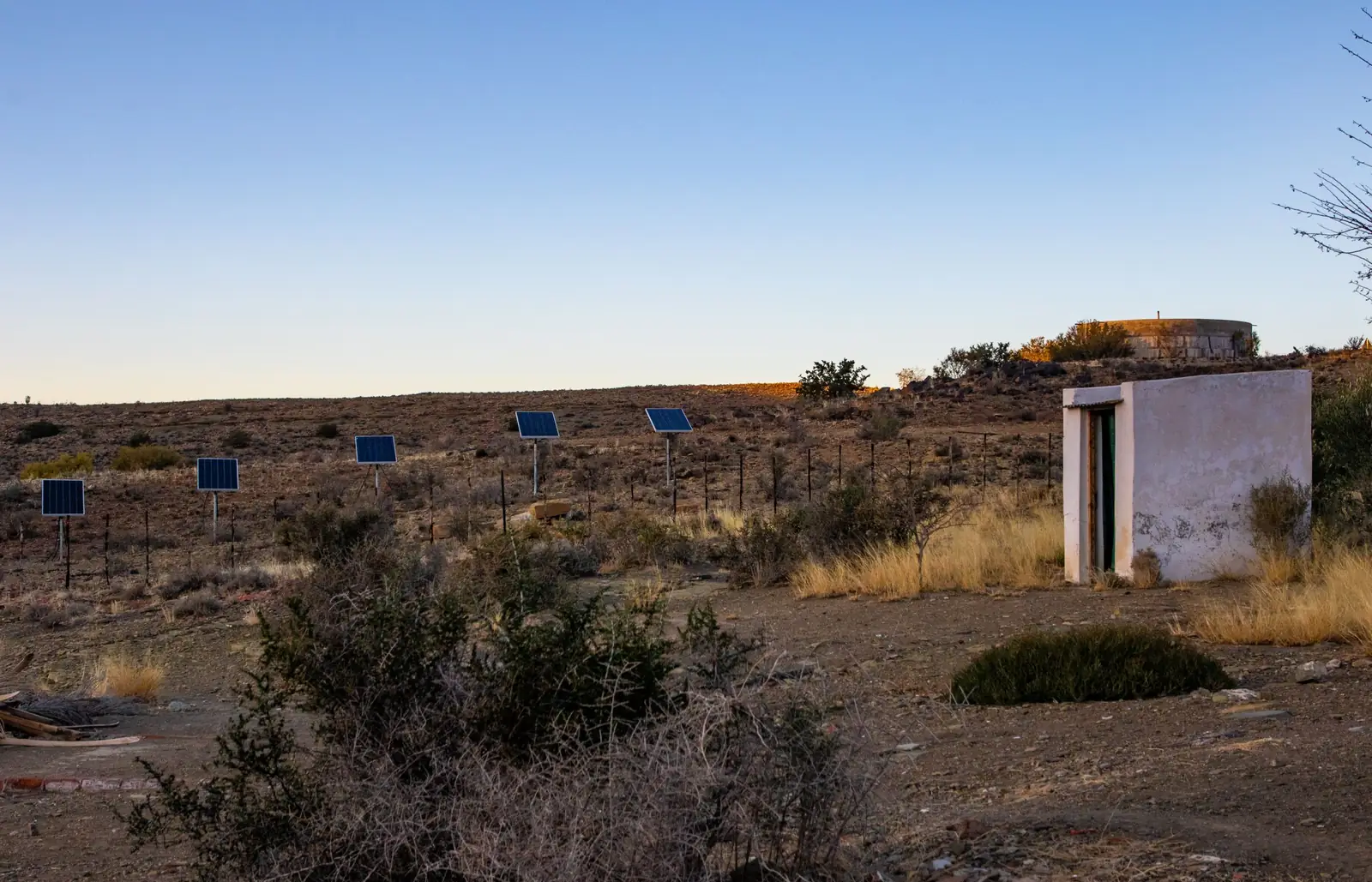
Operating systems for distributed energy: mini-grid development and operations, metering integrity, field workforce systems and last-mile energy payments.

Climate and renewable energy AI
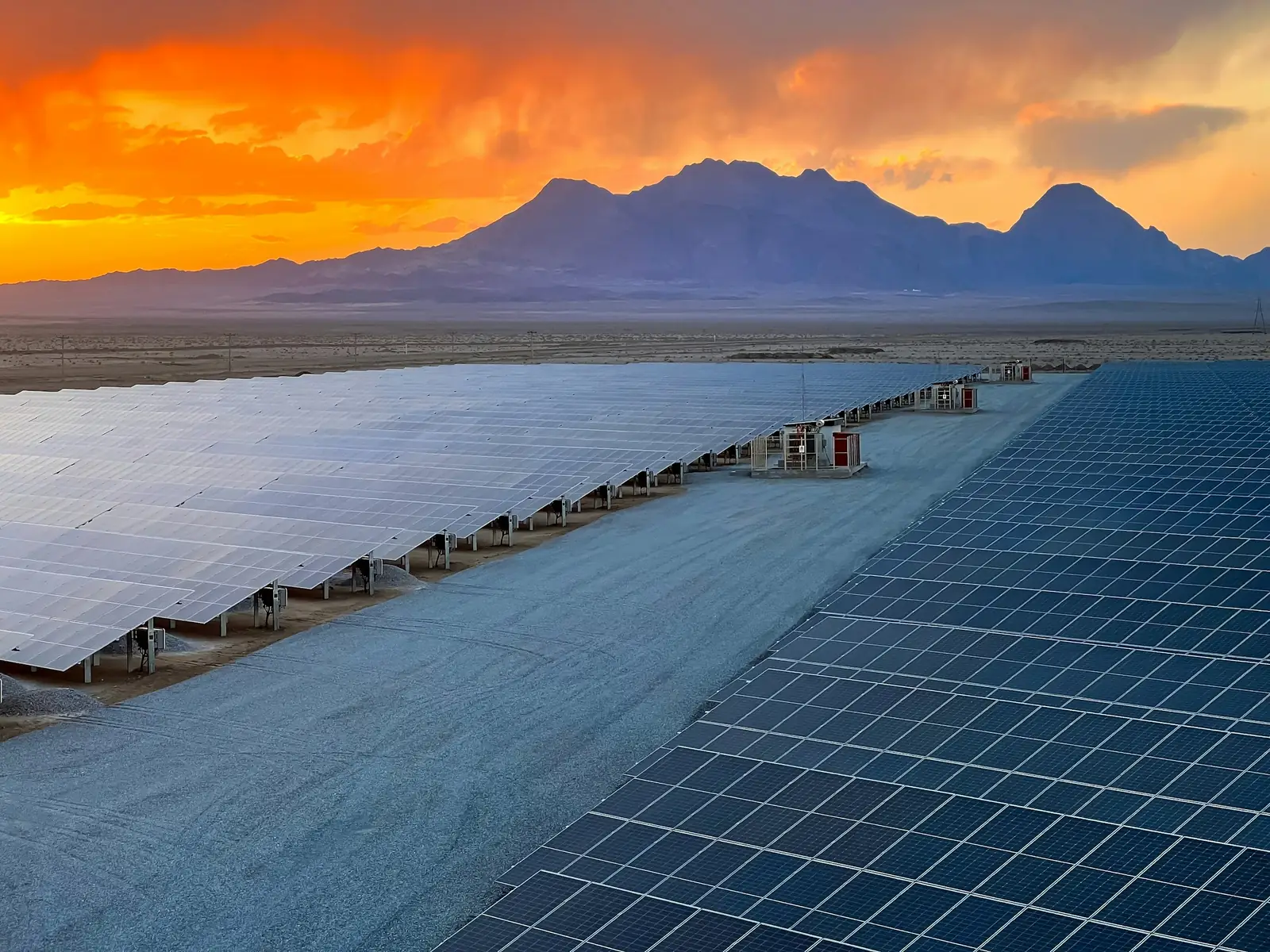
Renewable asset intelligence grounded in physics: forecasting, storage performance and loss attribution, including the parts that need no field hardware.

Agriculture and food systems
Agricultural intelligence that reaches the farmer: advisory in local languages, offline field capture, and a live map a state agency can run operations from.

Health systems
Health operations under constraint: offline-first capture, auditable records and distributed supply tracking. A capability statement, stated honestly.

Public sector data and verification
Evidence that holds up: national analytics infrastructure and field verification platforms with methodological lineage and immutable audit.

The doctrine does not change between sectors. The failure modes do.
Offline first, append only, no fabricated data, bounded AI, double entry and deny by default. Six constraints, enforced in the database rather than left to application code.
One operating layer, five points of entry.
Whatever the sector sends in, the path through the middle is the same: capture on device, verify against a physical basis, compute deterministically, report with lineage. The result vocabulary is shared too, including the result that refuses to be a number.
What each sector is engineered against.
The doctrine is the answer. These are the questions it is answering.
Energy and grid intelligence
A vending event has to reconcile exactly once, and a loss figure has to have a physical basis or none at all.
02Climate and renewable energy AI
A forecast is a capability only once it beats persistence on real data.
03Agriculture and food systems
An advisory written in a language the farmer does not read has not arrived.
04Health systems
Records have to survive dispute, and decisions cannot wait for a sync.
05Public sector data and verification
The number has to be defensible two years later, with its methodology and its lineage intact.